





Filip Nikolic aka Turbotito is an award winning producer and musician. He's been part of many bands such as Poolside and Ima Robot, and has recently launched a new label called Naya Beat Records, which is focused on reissuing classics from the South Asian vinyl scene. You can check out a video about the Naya Beat process here.

Here's our chat with Filip:
Can you pick out any favorites from your work that you're particularly proud of?
Poolside – Harvest Moon song or albums Pacific Standard Time and Heat
Producer and vocalist (Harvest Moon 57+ million plays on Spotify)
Pabllo Vittar – 3x full length albums
Mixed all three albums, co-production and instrumentalist (711+ million plays on Spotify)
Ima Robot – Greenback Boogie (Theme Song of Suits)
Producer, instrumentalist, writer (3x ASCAP award for best TV theme song)
How would you define your main role on most of the projects you work on these days?
My main role is being the Producer but I also mix, master and play multiple instruments. I also release solo music as Turbotito and have released music with Ima Robot, Poolside, Highland Park Sleep Collective, and others. I also have a side job where I recreate samples for mainly Hip Hop and Dance artists when the original sample can’t be cleared.
How did you get started in music? What kind of music did you listen to while growing up and how has that progressed?
My dad has been an audiophile nerd his whole life, so I was very influenced by all his crazy hi-fi systems and, of course, his musical taste. He listened to a lot of classics like Talking Heads, Laurie Anderson, Velvet Underground, Grace Jones etc. The first time I got a taste of how great headphones could be was when I tried my dad’s STAX SR-Sigma’s when I was still a teenager. I grew up with hi-fi gear from brands like Quad, Magnaplanar, Klipsch, B&W, McIntosh, KEF, SME, Thorens, Mark Levinson, Focal and many more. Today I use Barefoot and Adam as my main studio monitors.
Can you name any factors you feel majorly influenced the course of your musical life? Heroes, role models, moments, interactions, etc.?
My dad’s passion for great sound, Jimi Hendrix, and Brian Eno… when my high school band recorded our first album, we had it mixed by our hero at the time Tore Johansson (Tambourine Studios, Cardigans, Franz Ferdinand). After he mixed the album, he asked if he could talk to the band. He had noticed that all of us only owned one instrument each, I had a nice Fender Stratocaster but that was it. He said that using ten shitty guitars would make a better album than using one perfect guitar and that concept has stuck with me till this day.
Can you briefly describe a moment of frustration from your past work, and what you may have done to overcome the obstacles? Would you approach it differently now?
Me and my friend Raghav Mani just finished the first of a series of compilation albums of old, obscure, Indian music (for the Naya Beat label). Most of it was only available on very rare vinyl and we had to rip, restore and re-master all of them. We quickly learned that headphones are way better for detecting clicks and artifacts than even high-end studio monitors. I regret not having better headphones during this process cause I could have saved hours of time.
Is there any gear you find yourself turning to most when working on a project? What are some of your favorite tools/instruments recently?
My favorite gear is my room. We spent over 6 months building it and dialing in the acoustics. I think speakers are only as good as the room they are in.
Do you have any words of wisdom for people who might aspire toward a similar path for their own careers?
Don’t pursue a career in music unless you absolutely love it. Music is technically not a good job but if you love it then with time it might become the best job ever.
How long have you been working with headphones, and how do you typically use them in your workflow?
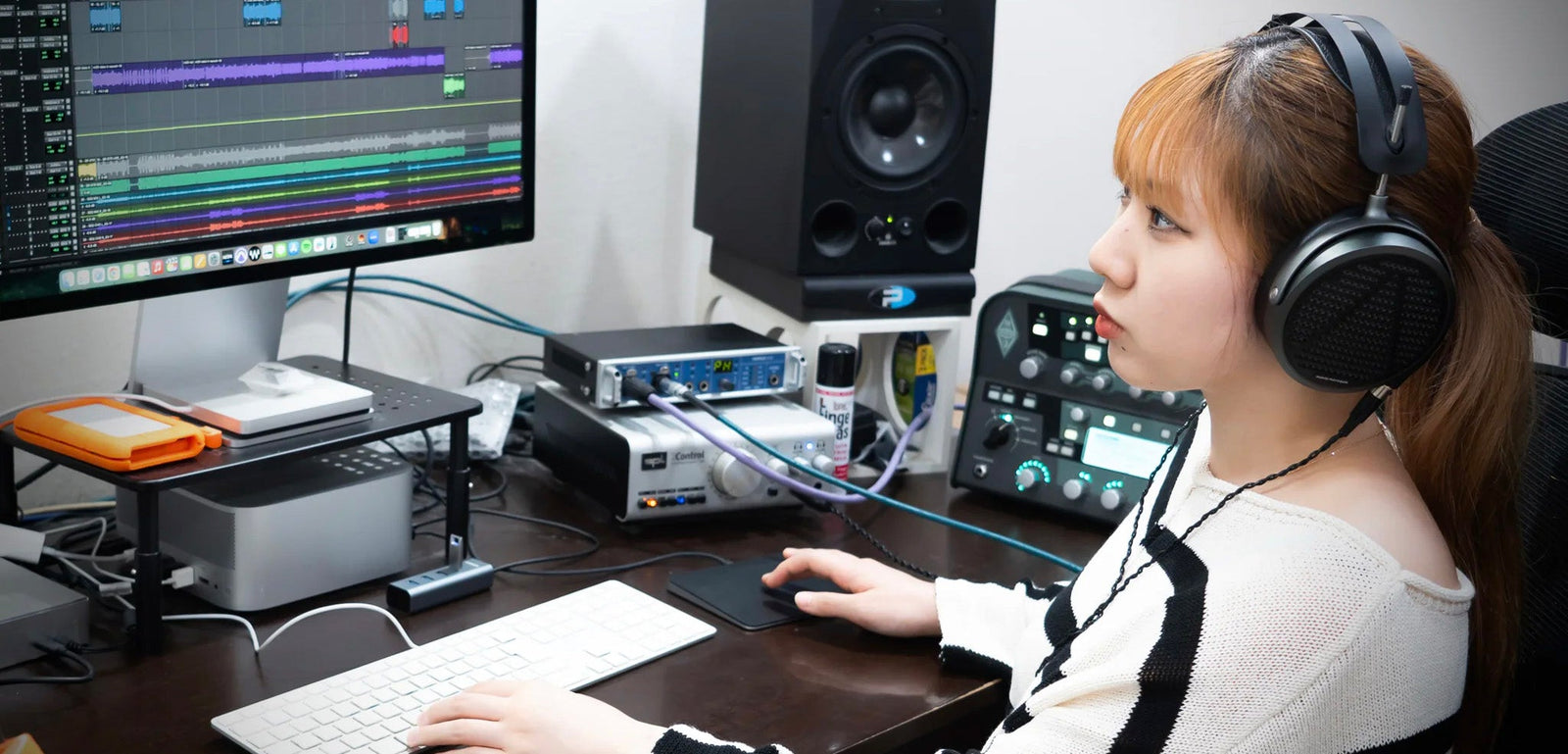
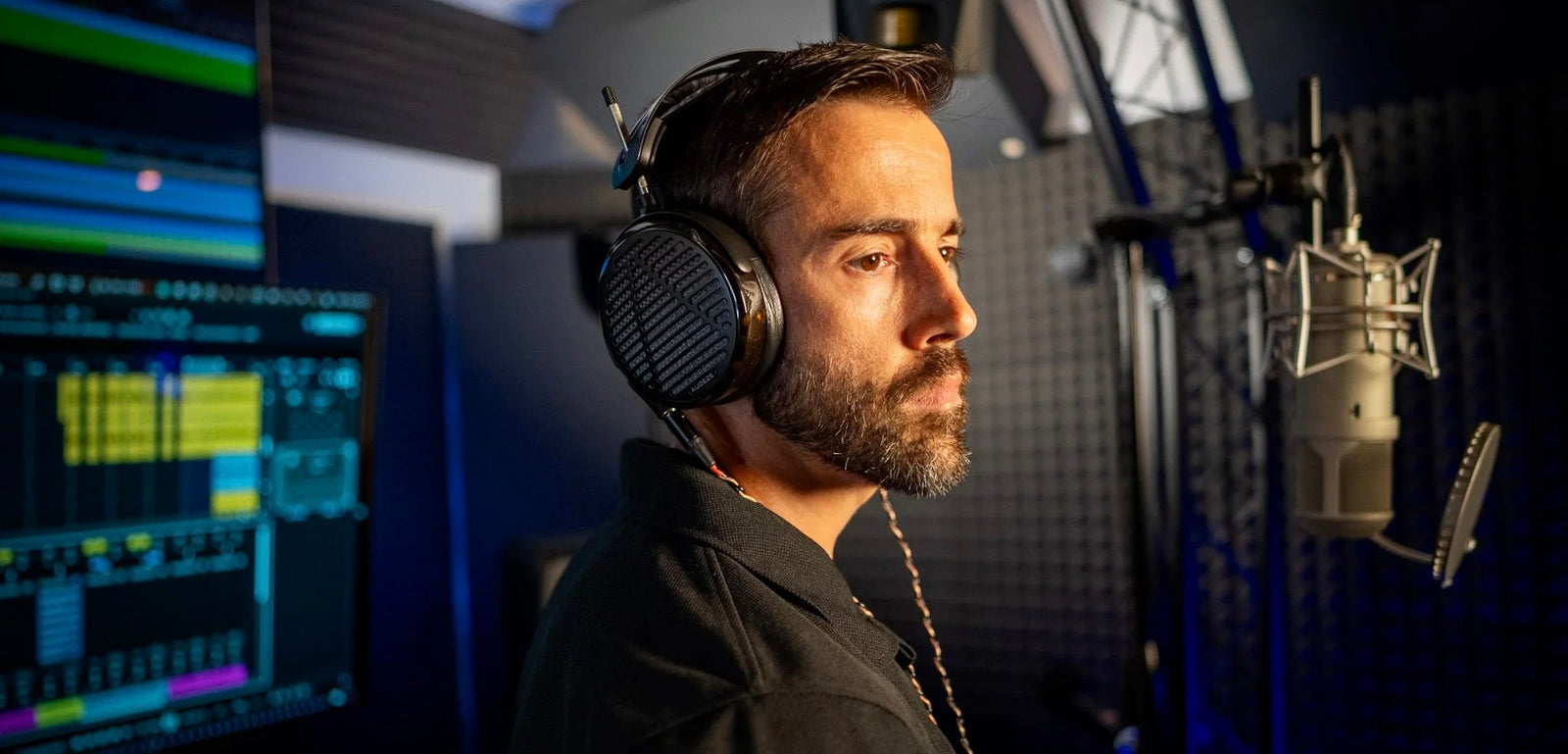
I mostly use headphones for tracking but also for detailed monitoring. For vinyl restoration and mastering, headphones are the best tool for finding clicks and other tiny artifacts. I also heavily rely on headphones when traveling and for pleasure.
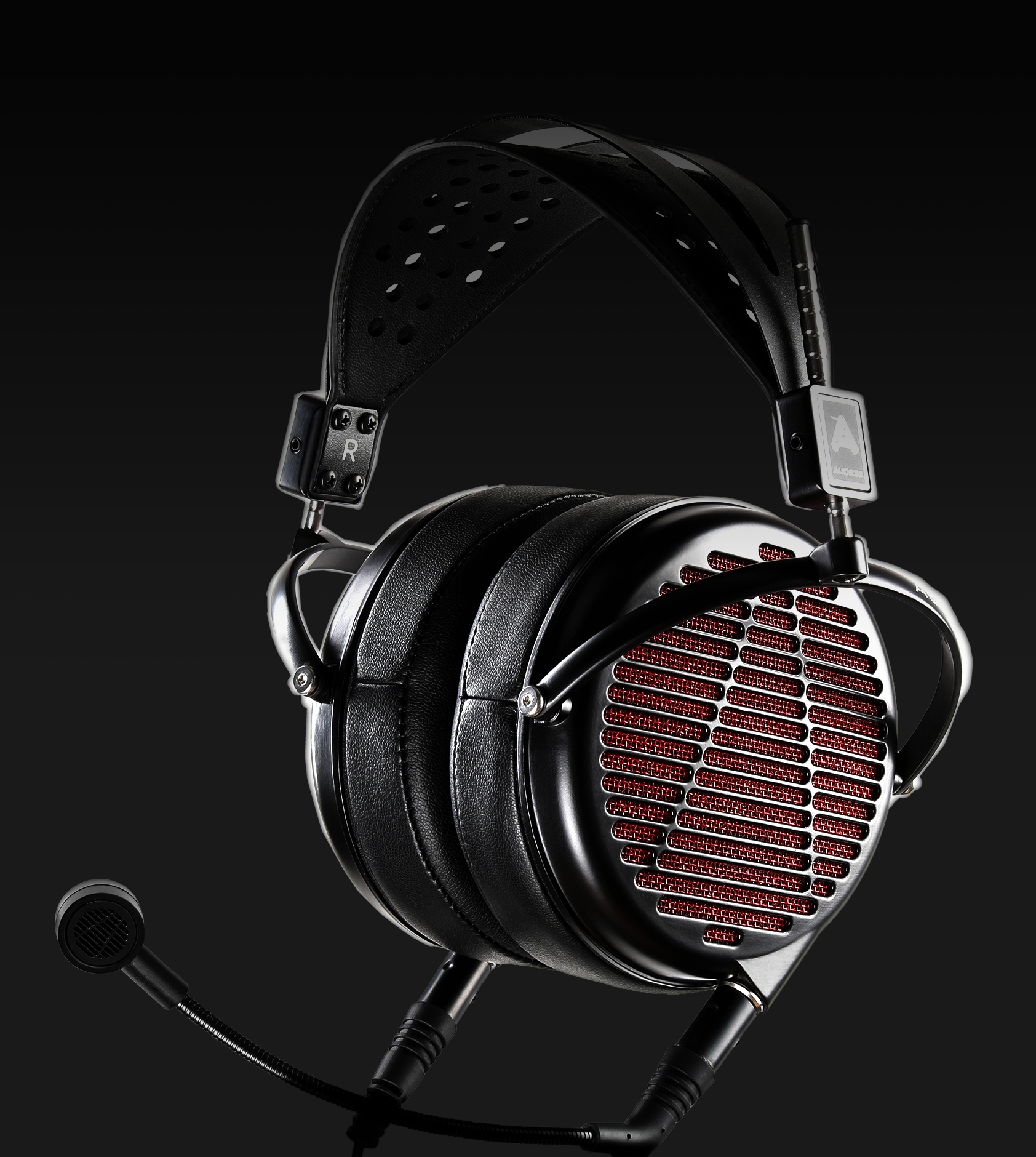
I produced an EP with the electronic duo MNKYBSNSS in Bogota, and their studio had really bad acoustics. I had a hard time hearing what we were doing. Their manager brought in his Audeze LCD-XC’s and they saved me. I was blown away and they sounded great with my travel interface which is a UAD Apollo Twin.
How have your Audeze headphones affected your work?
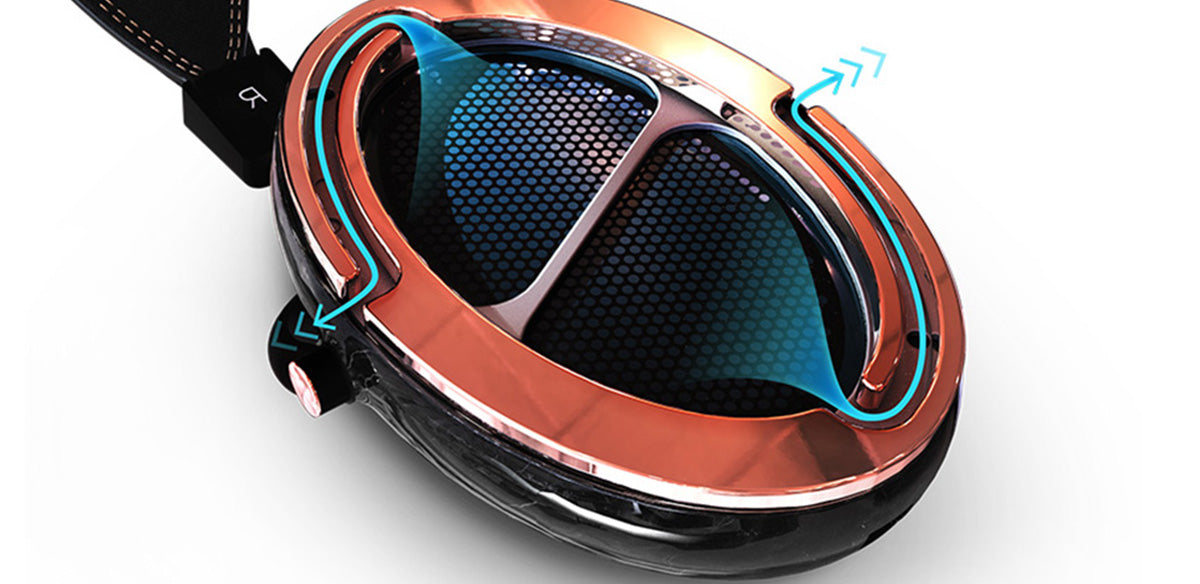
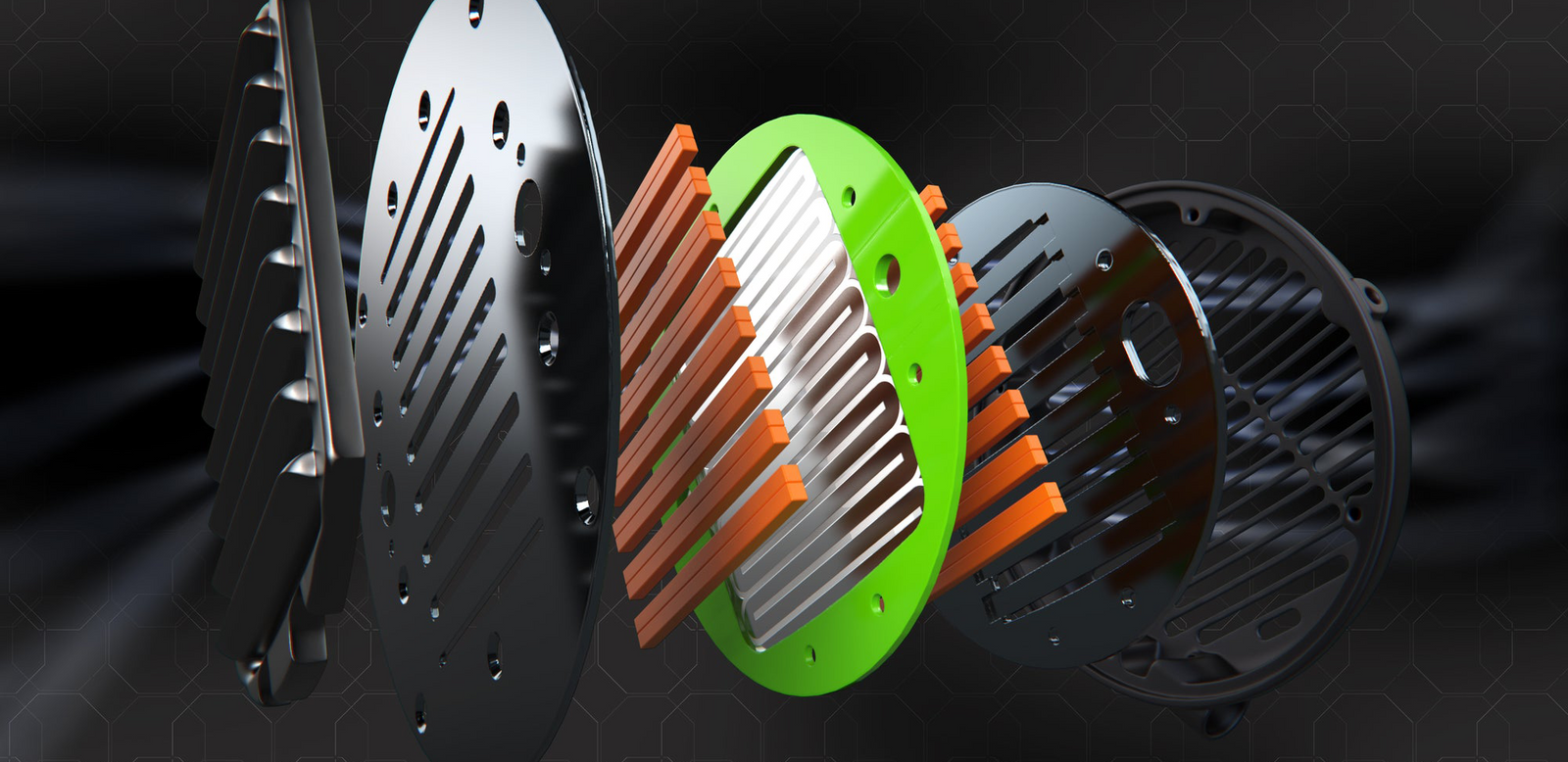
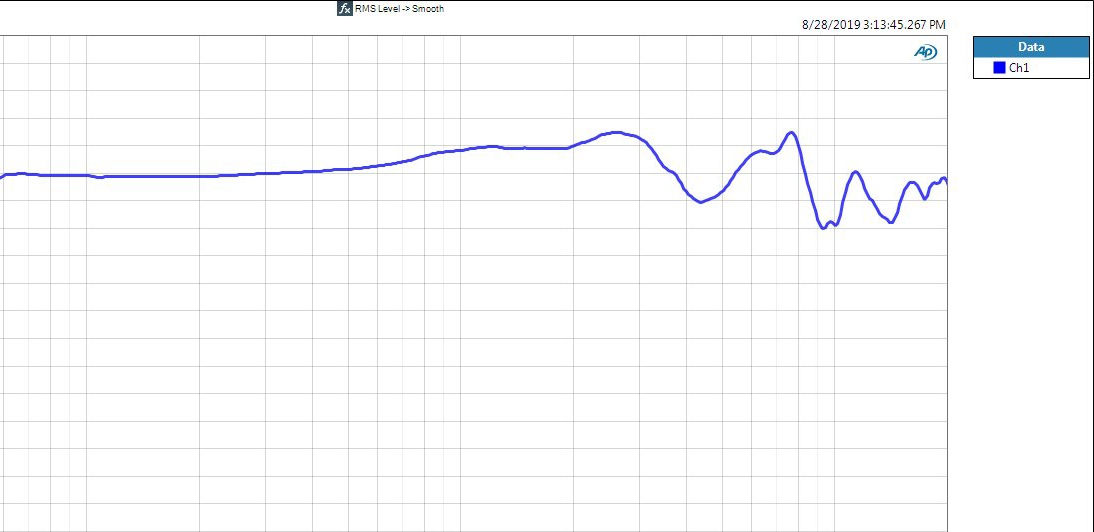
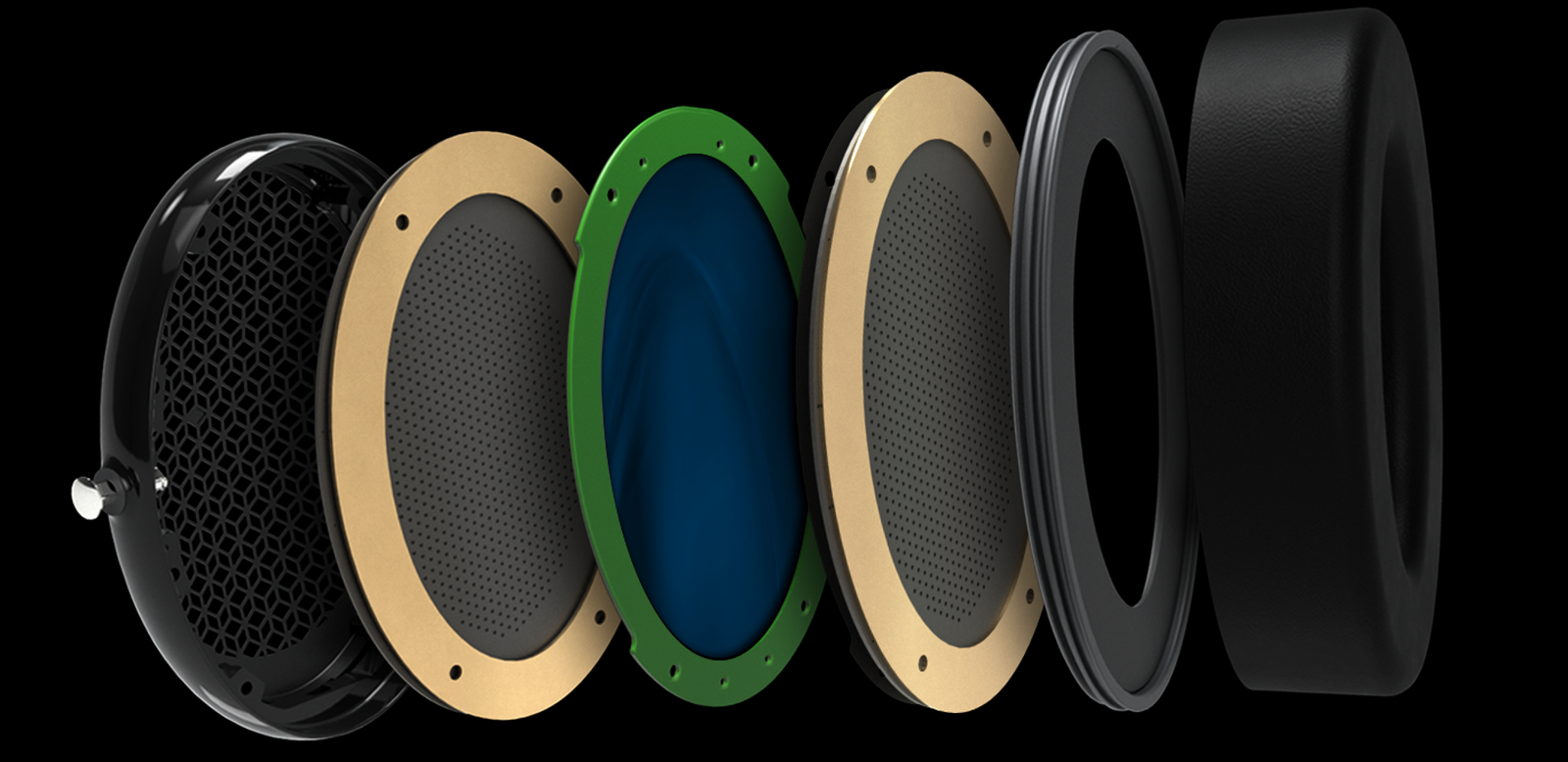
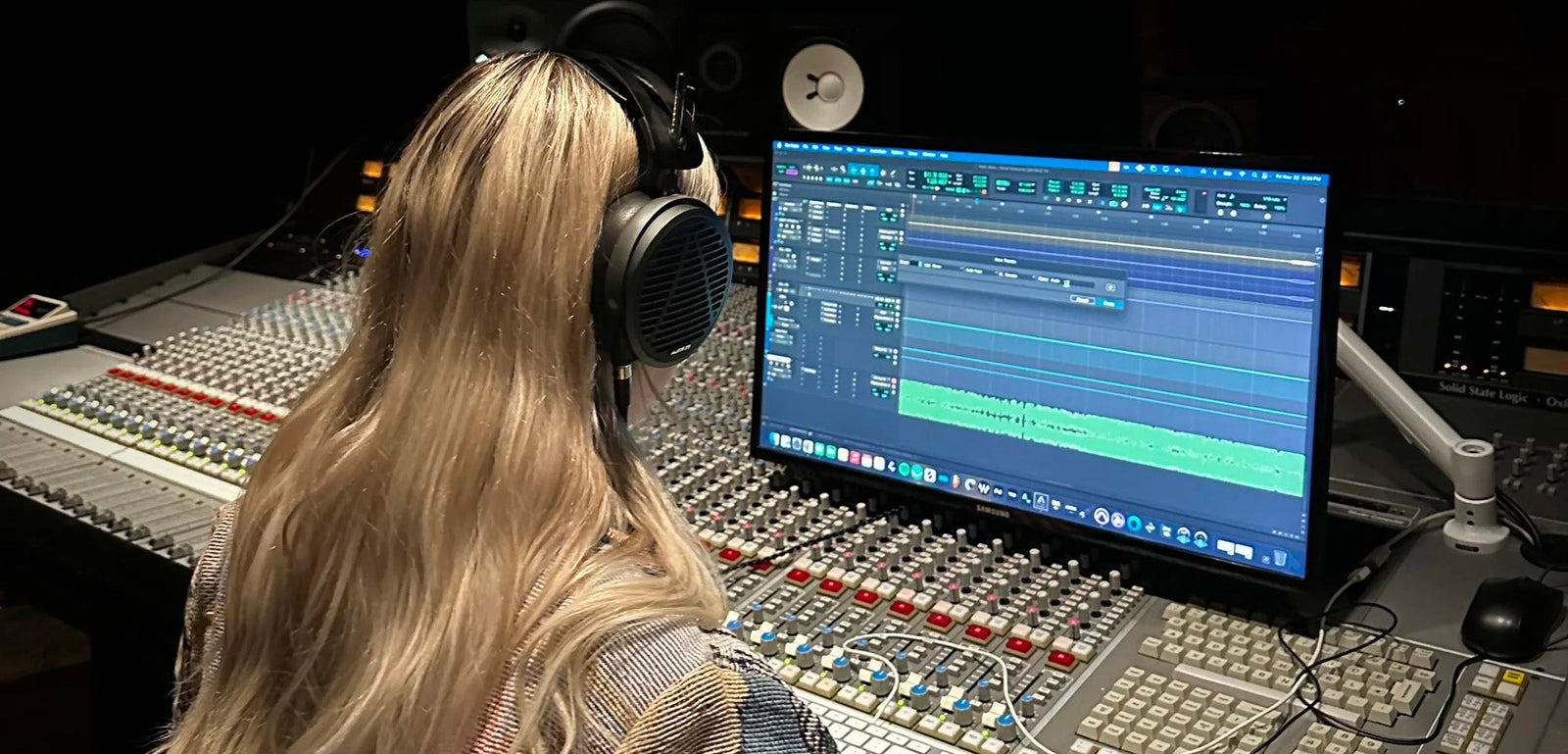
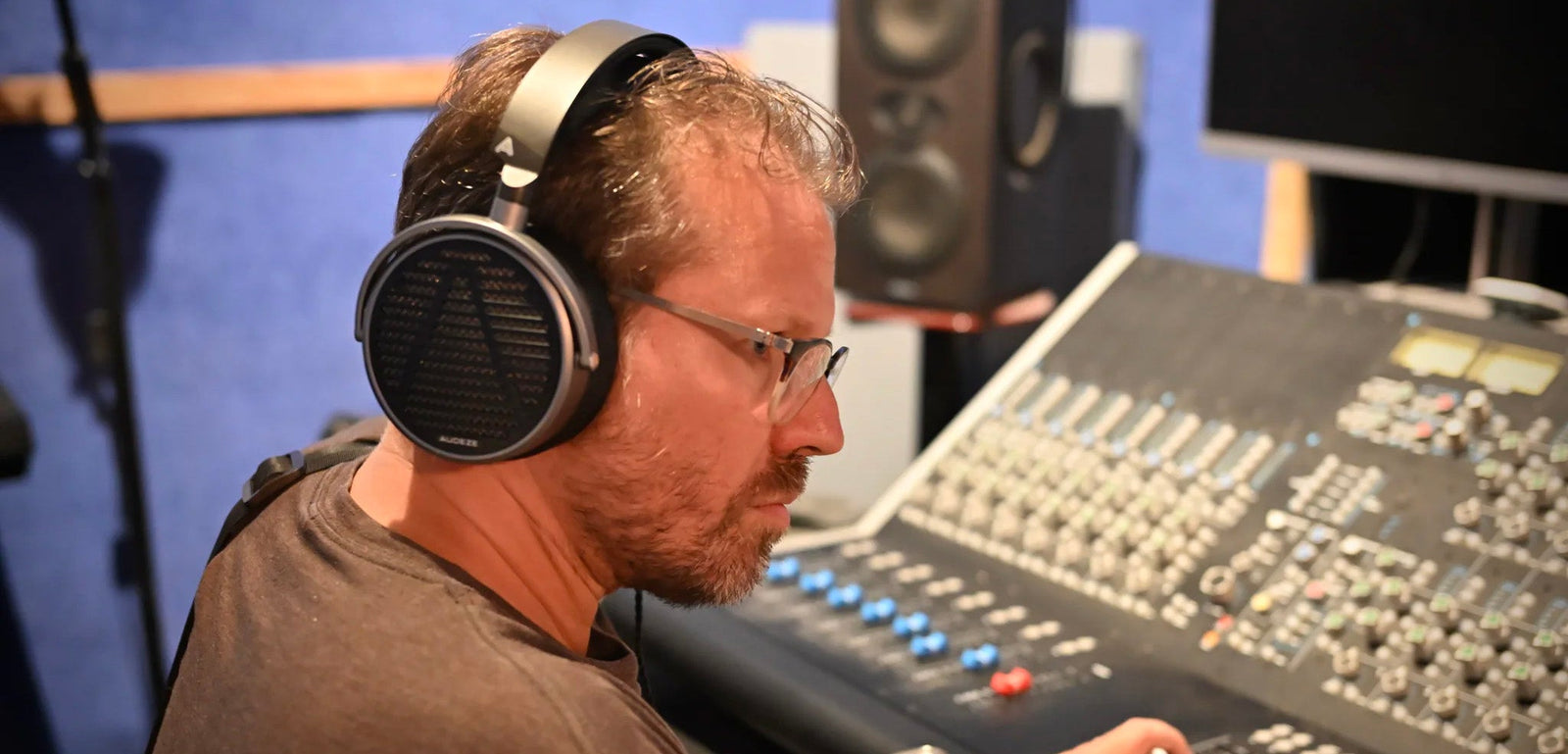
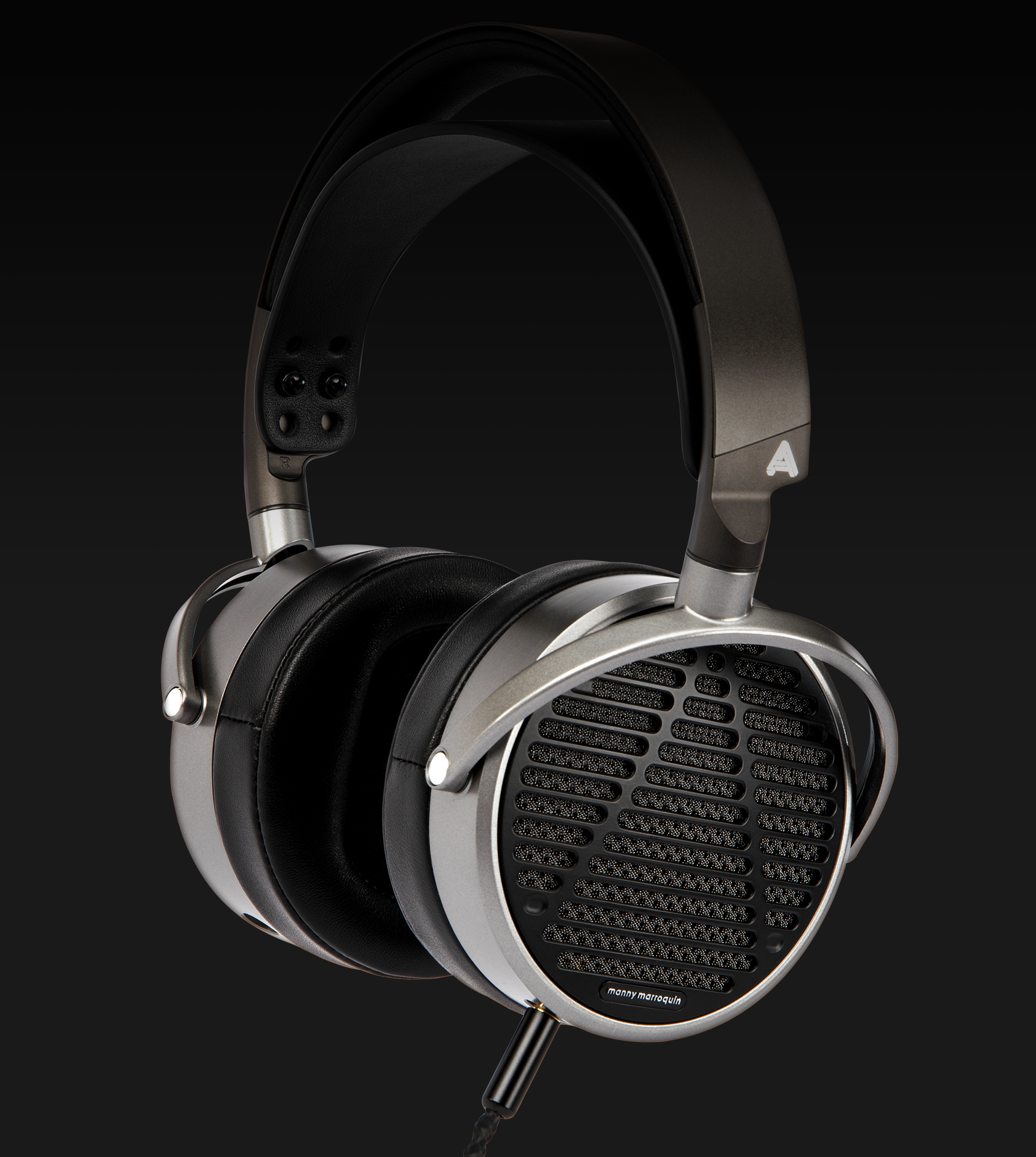
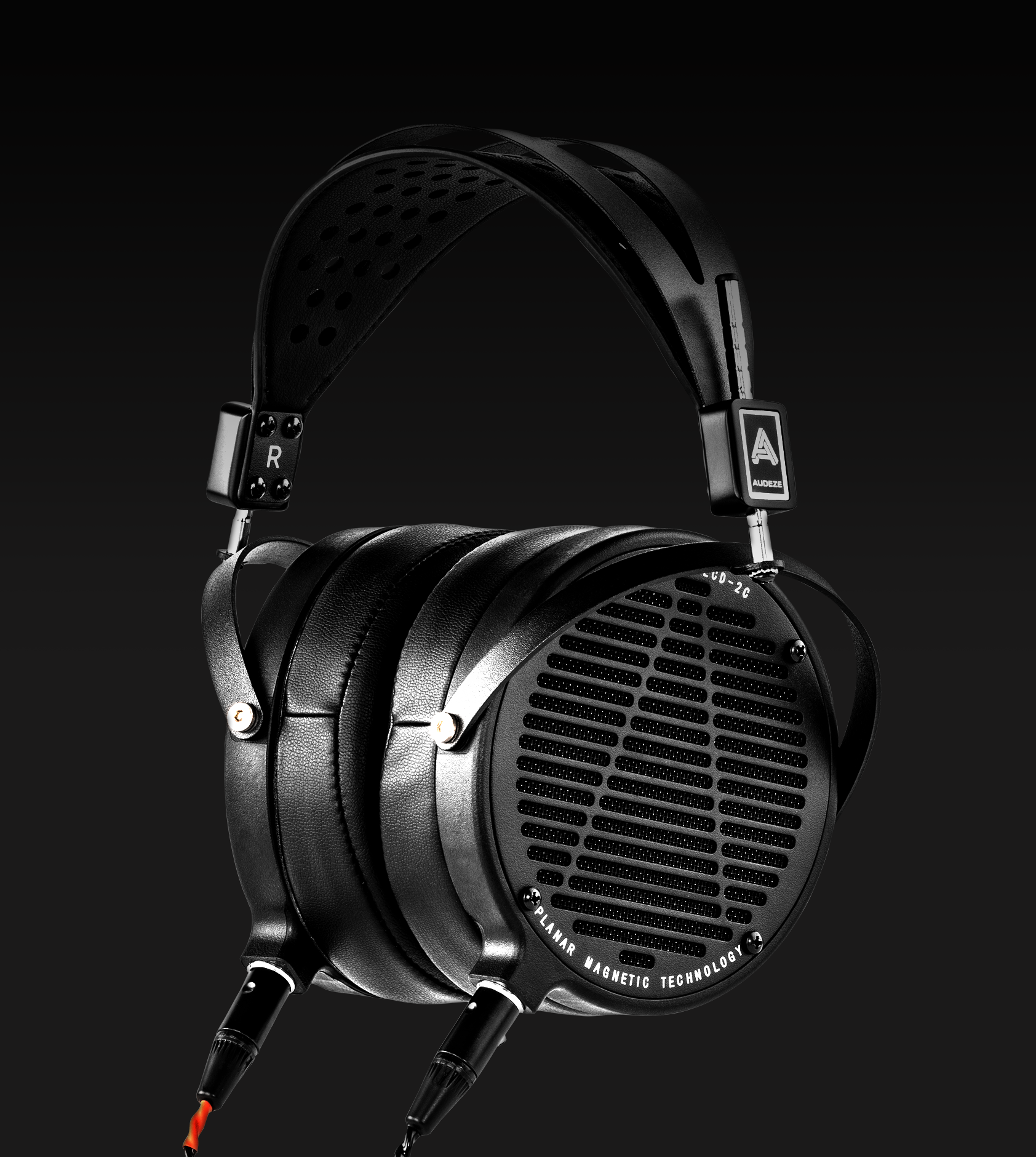
My Audeze LCD-X have improved my workflow significantly. The clarity and detail is astounding and they never feel hyped, which is crucial for mix and mastering work. I use them for referencing and for finding tiny little mistakes like clicks and pops and they do an amazing job, but they are also my go to when I'm not in the studio, but just at home, wanting to enjoy listening to my favorite records.
Can you tell us what you've been working on with them so far?
Recently I have been using my LCD-X for ripping, restoring and remastering old South Asian vinyl records for the first Naya Beat Records reissue compilation. I have also used them while producing the debut album of new artist Mirror Tree and the second album from Highland Park Sleep Collective. I have also done mix and mastering for Urias, Scratch Massive, Toby Ernest and more but this is just the beginning... :-)