





As a pianist, definitely some recordings, for example the ones I made on the Horowitz piano...
As a composer, some pieces including elegy for voice and piano and several piano pieces, recently published by the music editions of the Central Conservatory of Beijing.
Definitely as an 'assembler of ideas', in teaching and production.
I try to shape ideas and turn them into music.
I started playing at the age of three, listening to melodies and playing them. There was a piano at home and my aunt was a very good pianist. For me, the piano was a toy.
I have always listened to a lot of classical music, film music and music from plays. Then I became very fond of jazz music.
The chance to play with great artists, often already 50 years into their careers. With Gervase de Peyer, one of the greatest clarinetists of the 20th century, I played for 25 years. For me, it was a great lesson in life music.
The meeting and collaboration with Cyprien Katsaris, a phenomenal pianist.
The dialogue with some jazz musicians, Enrico Intra and Guido Manusardi.
The wonderful collaboration with soprano Chu Tai-Li, with whom we have toured Taiwan and China.
Definitely never being satisfied with how you played. Learning to listen to yourself, to accept yourself. To be critical of yourself too, but in a constructive way, not destructive.
Definitely the aid of audio recording so I can listen to myself again. Also the use of high-level technologies (for accurate sound).
I don't think I'm a wise person. I think sincerity in storytelling, playing and composing is the most authentic expression.
First and foremost be yourself when making music. Not wanting to be "original at all costs" but being true to your own idea.
Since always. From the first Koss to electric condenser headphones.
I also use headphones to record with acoustic instruments, to hear what sound comes out of the microphones. Of course I use different types of headphones depending on the work I have to do: choosing the tracks, listening to the master as a whole.
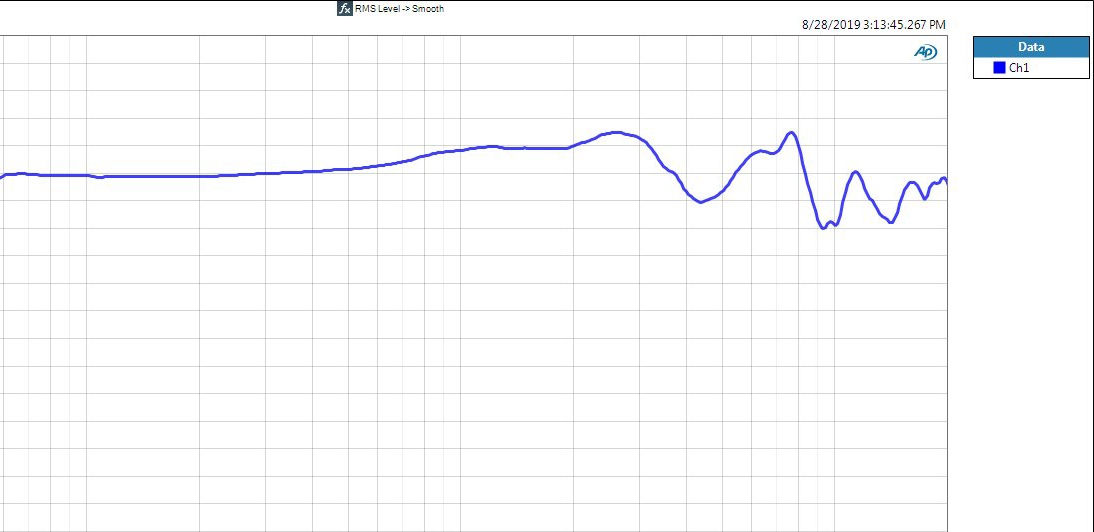
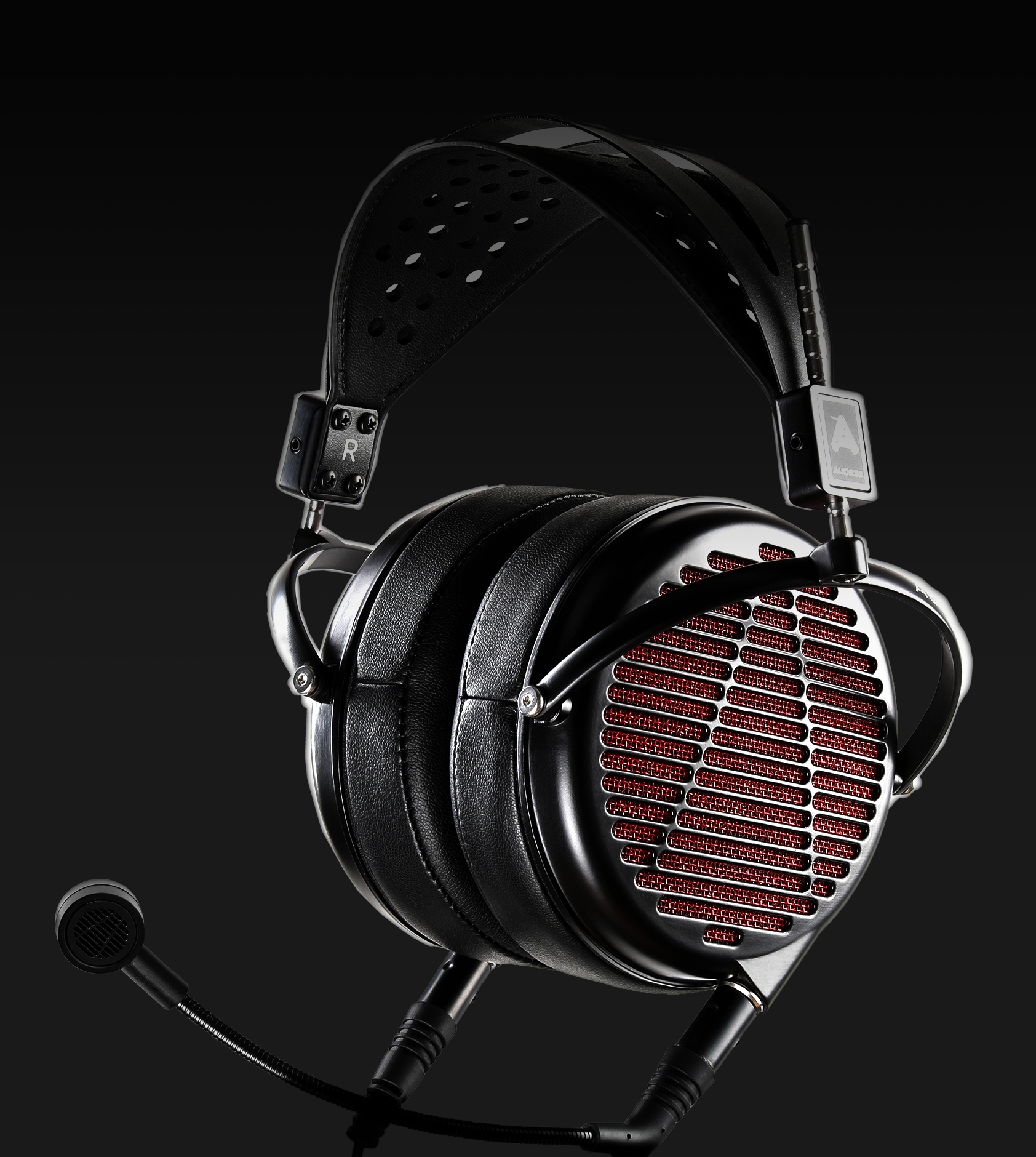
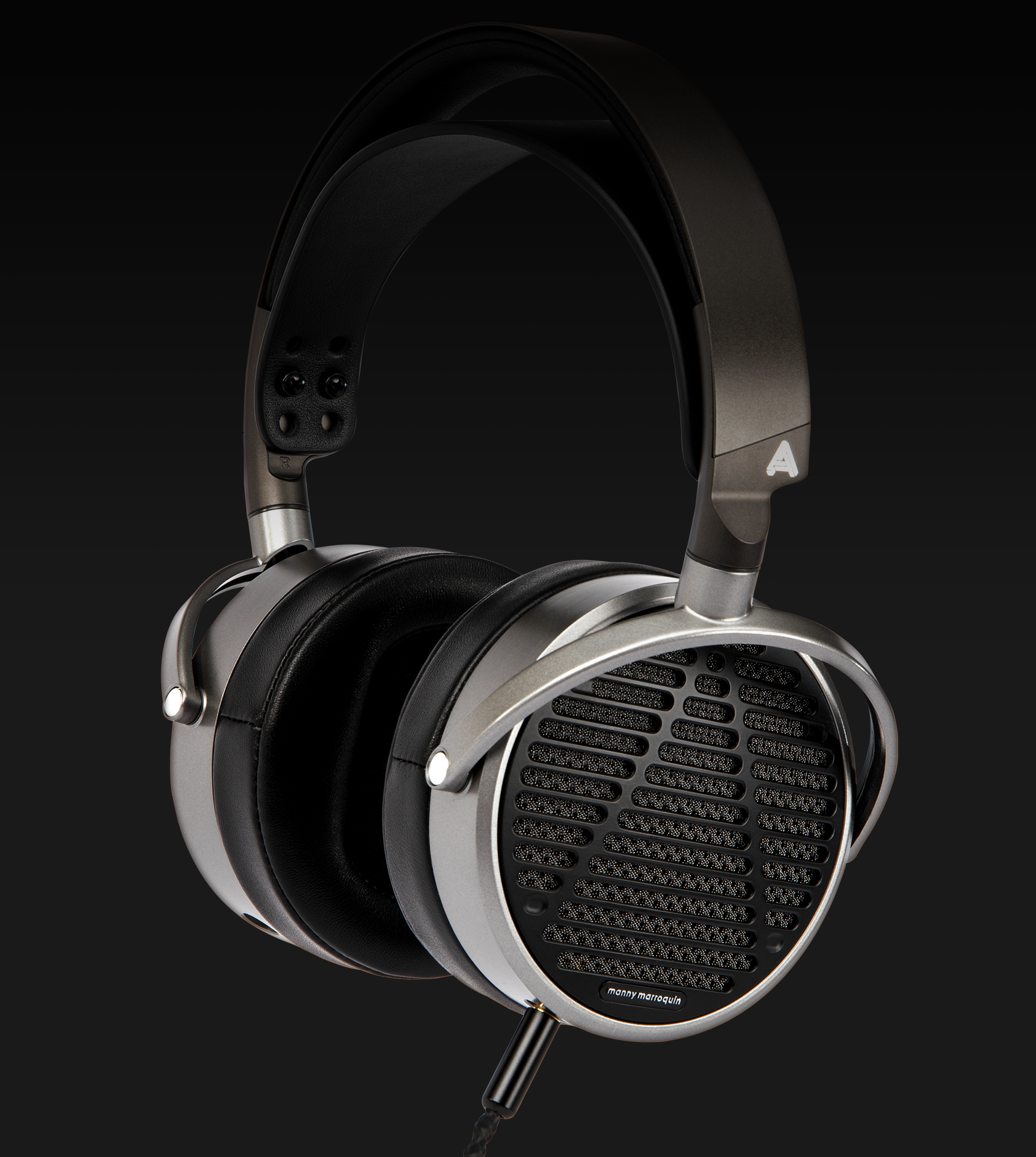
They are ideal headphones for listening to the final master. It's not a headphone I use to pick out the details, but rather to pick up the final result. This is of course when I have to work on my recording sessions.
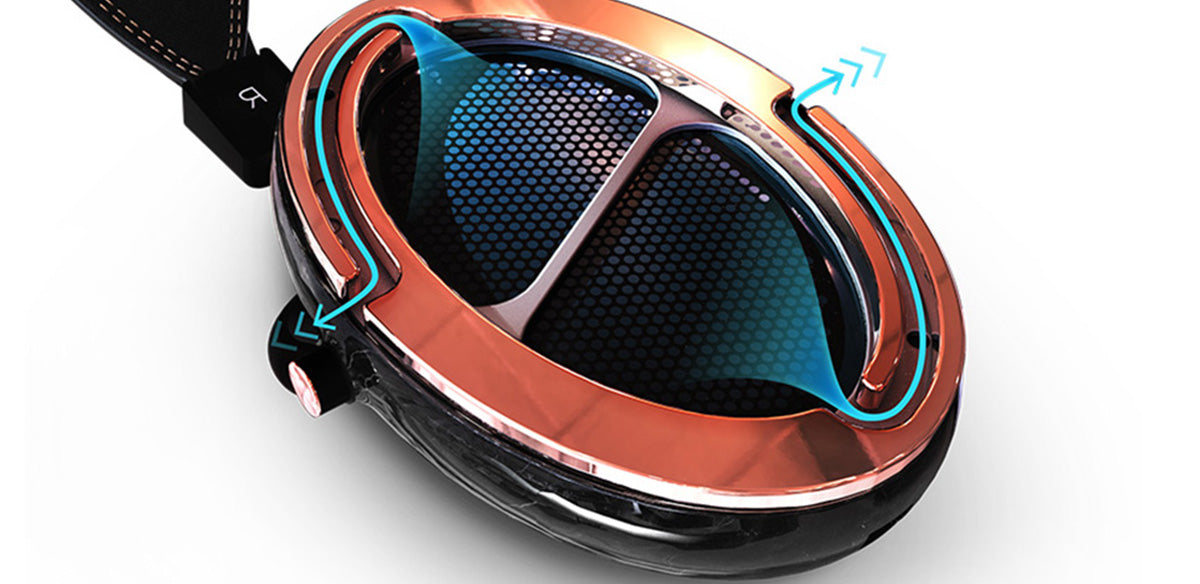
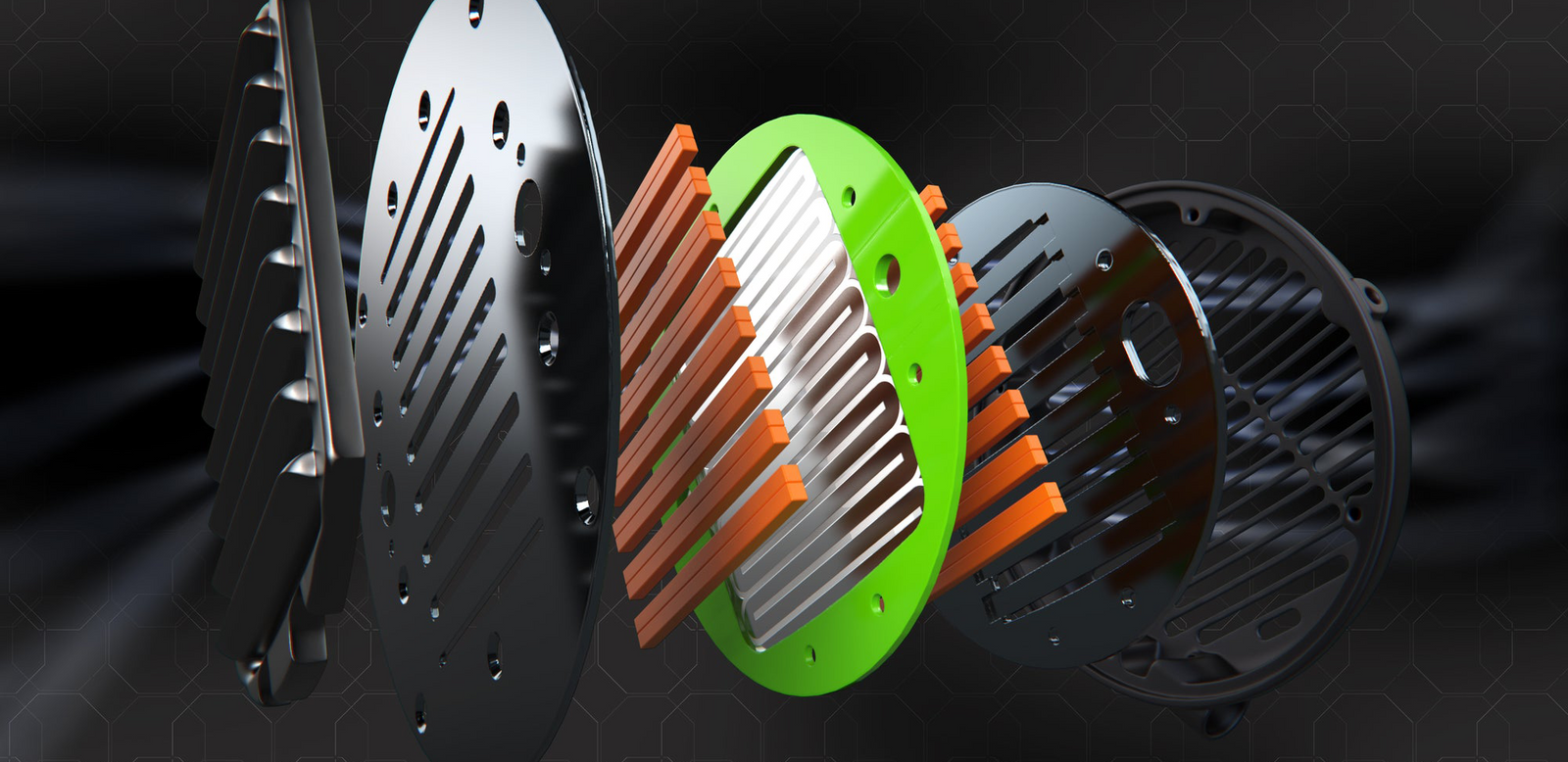
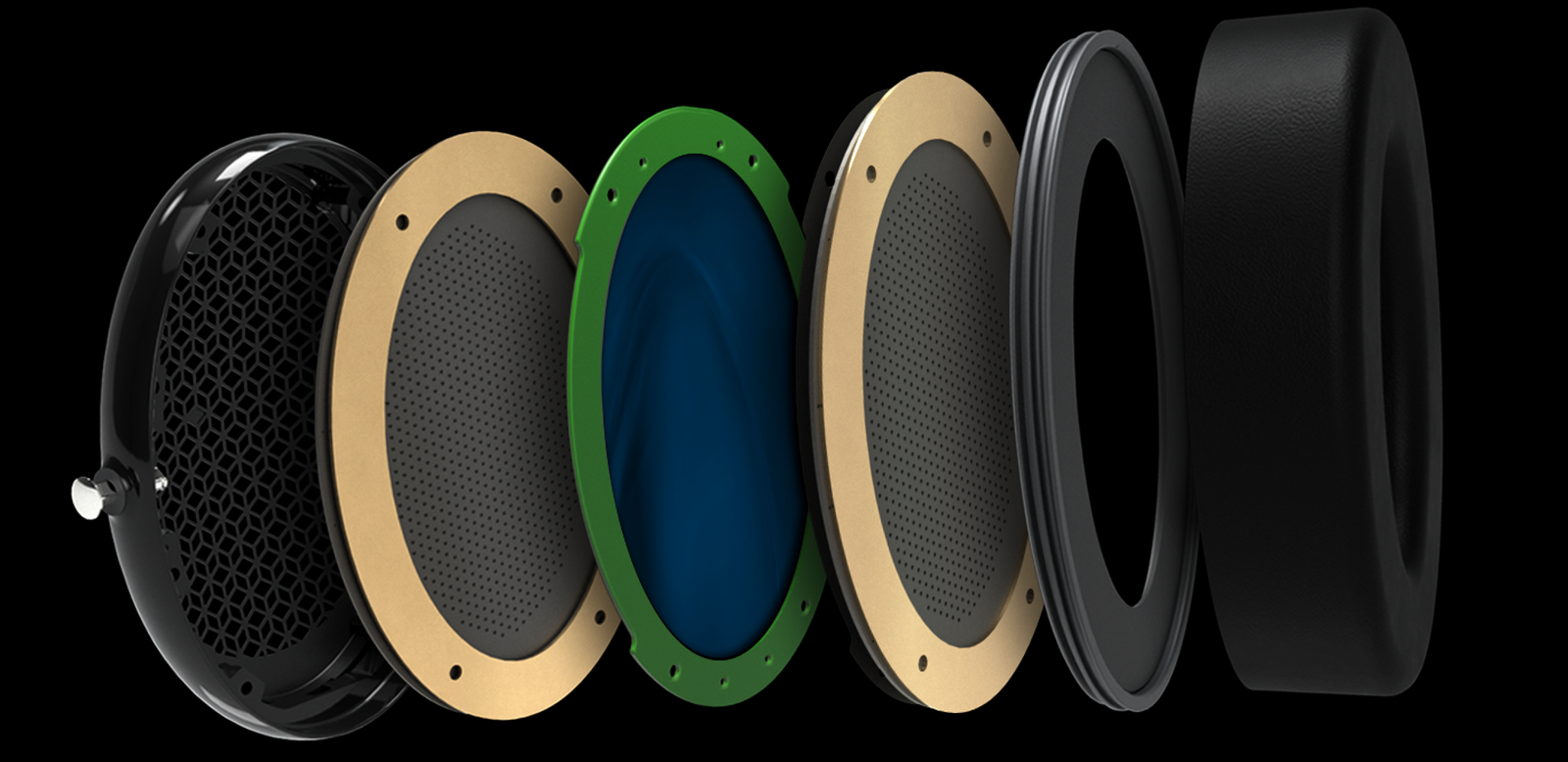
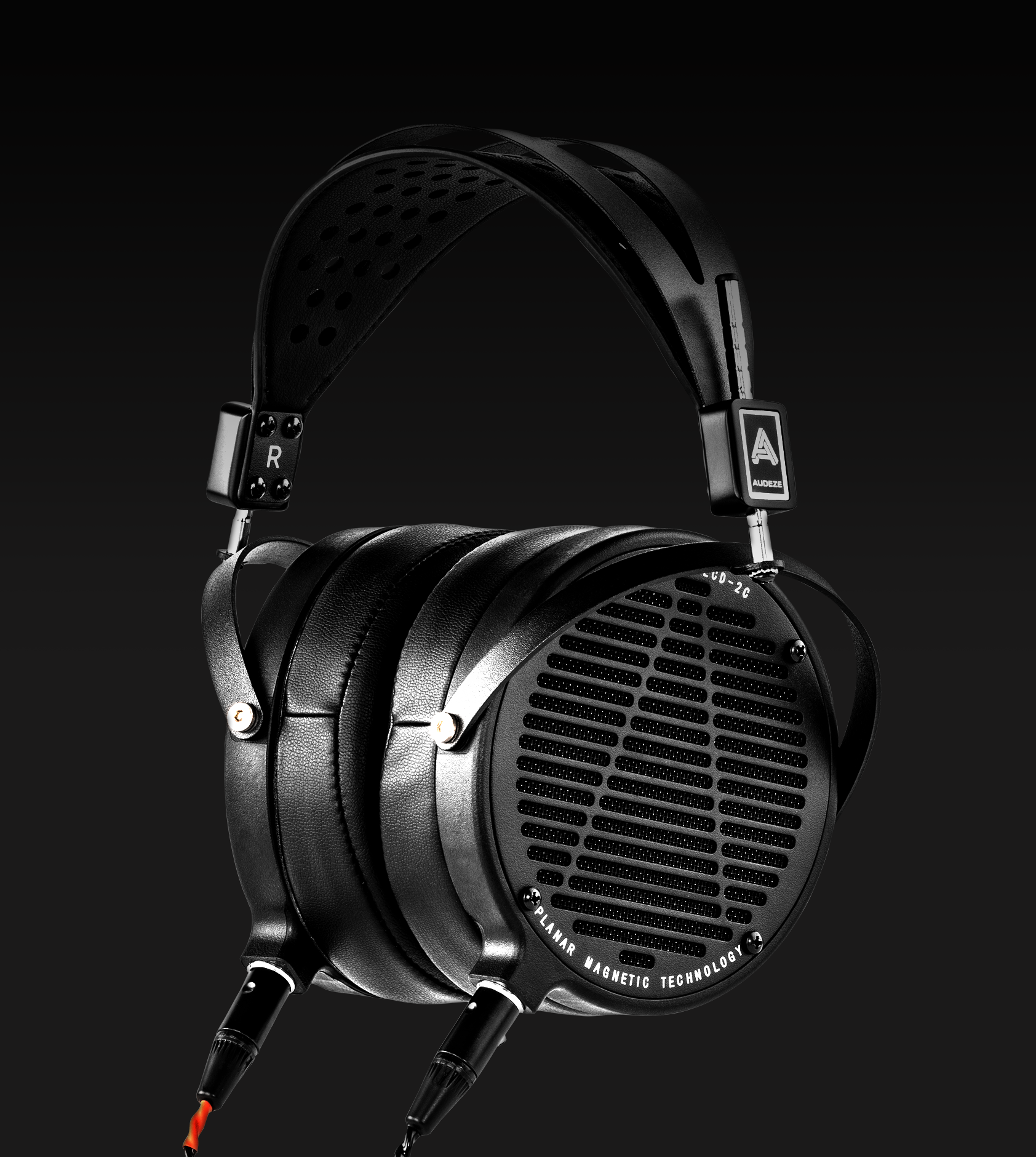
However, when I'm listening to music, I find Audeze (from iSINE to LCD) to be suitable headphones for prolonged listening, as they allow you to capture the depth of the sound image. This is not the case with all types of headphones. They are ideal in the symphonic repertoire, in jazz music, in all the pieces that require a great timbral richness…